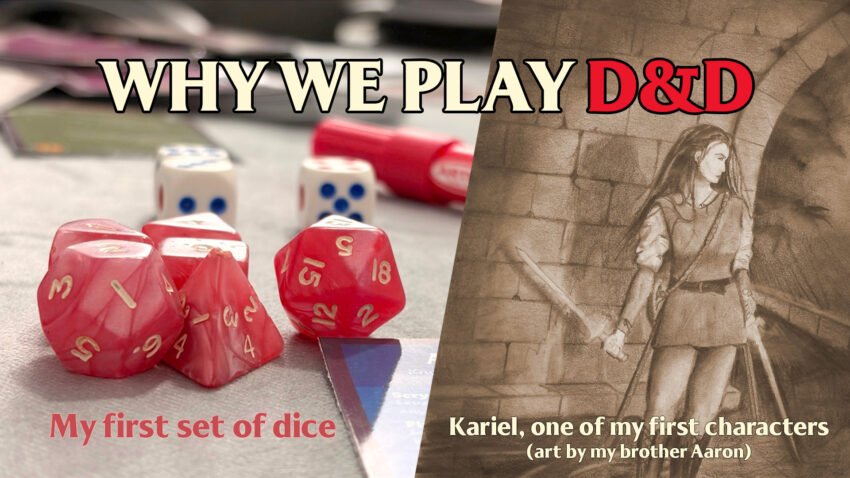
Magic. A beautiful, powerful, scary word. How else do you describe role-playing games if not with magic?
Strange, you say? Sure. That’s fair. The community wouldn’t deny that. But whether you feel it’s magical or strange: these games are something special.
My older brother Aaron introduced me to fantasy role-playing when I was 10 years old: Dungeons & Dragons, the old-school version. We played constantly. All-nighters. Half-finished campaigns. Mostly we just messed around. “Antics,” they call it now. “Shenanigans.”
But that was its beauty. Freedom.
I had an Arabian fire mage named Lambo. He had a gambling habit, meditated naked, and only ate meat. It was stupid, but it was fun. As a Dungeon Master, I barely used rules. I rolled dice behind the screen and if I liked the result, I kept it. Otherwise, I made something up. I owned the Dungeon Master’s Guide, but it was a badge more than a tool. With it, I was a Dungeon Master. I can’t remember having read it much. Didn’t need it.
We just made characters and went. What happened next was anyone’s guess.
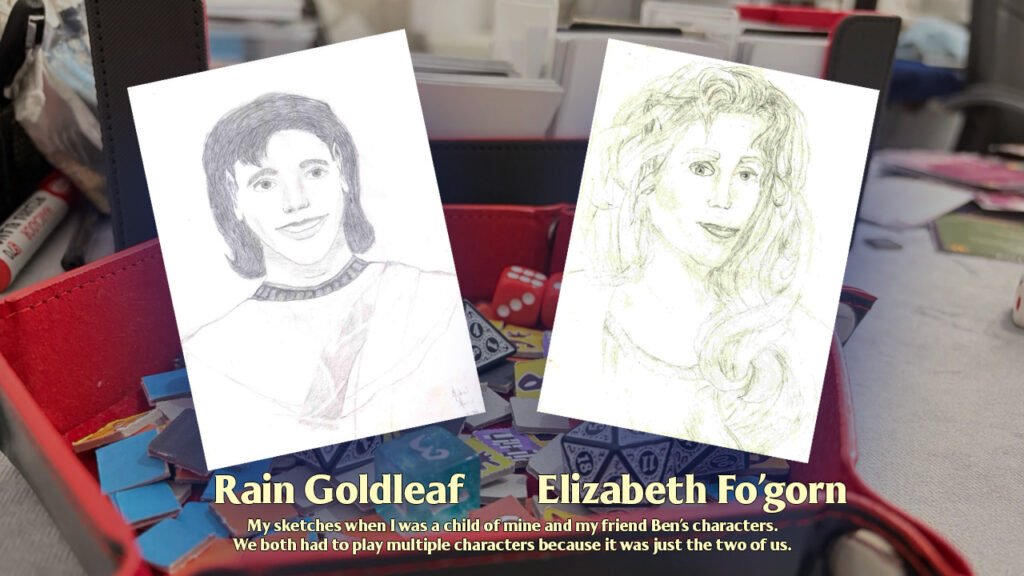
That collaborative, freeform storytelling changed me. It had richness I had never before felt. I wanted to visualize what I saw in my head so badly that I eventually swore off games and pursued art, writing, and business professionally. Pearl S. Buck once said that creators need to make things of meaning. I think everyone needs that. Creating enriches life in a way that few things can.
Twenty years later, COVID hit.
My brother decided to run a D&D 5th Edition campaign, and for the first time in over two decades, I returned to tabletop role-playing games. It was a joy from beginning to end!
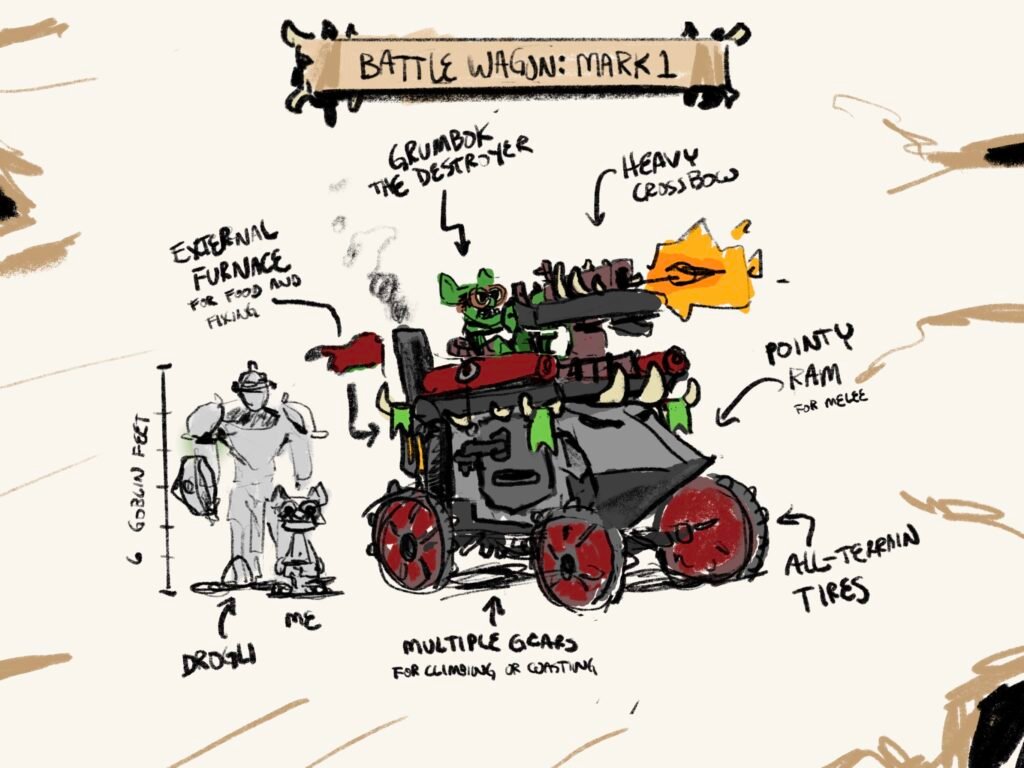
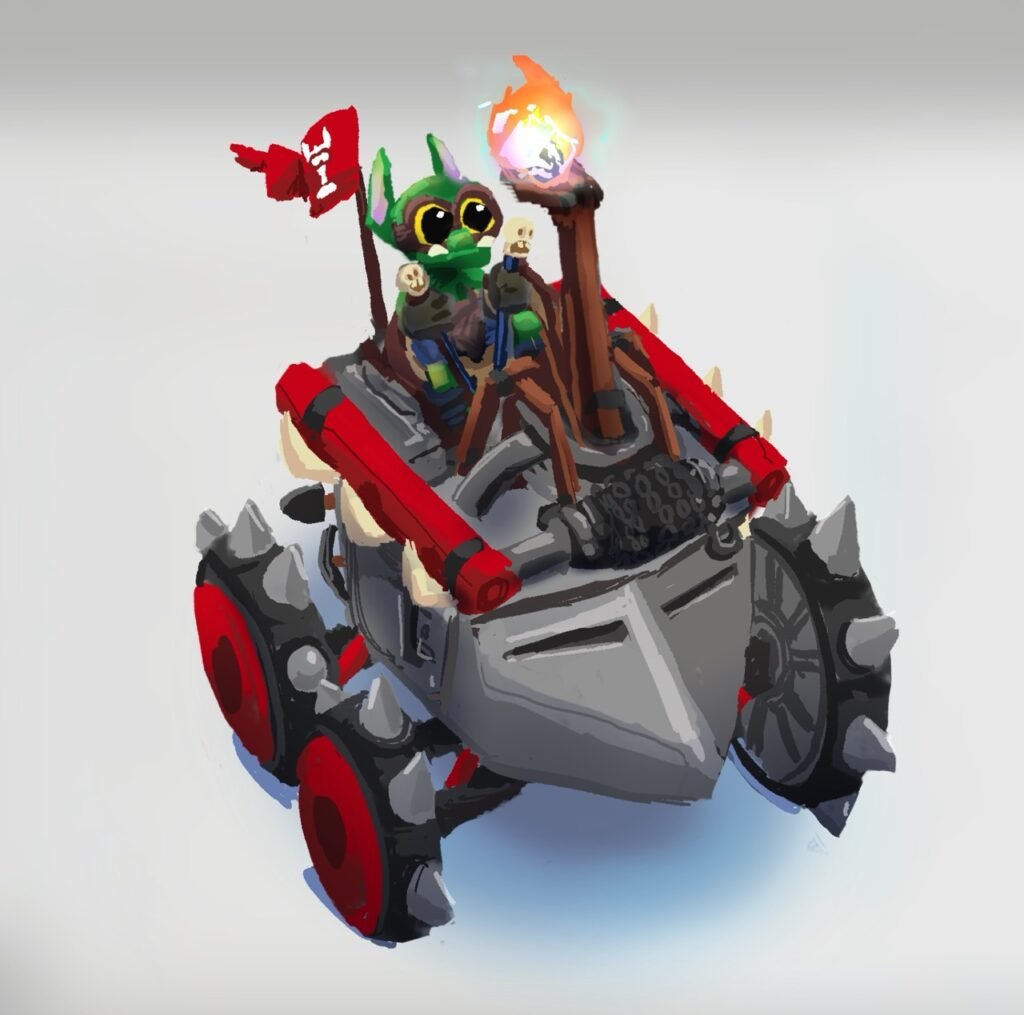
This time I played Grumbok: a foul-mouthed runt of a goblin who dreamed of becoming the greatest inventor in the world. And somehow, we actually did it. We played all 20 levels of the game. We fought Tiamat. We saved the world.
Bob World Builder says only 2% of players complete campaigns of that scale … but who can trust a statistic, right? All I know is that without COVID, virtual tabletops, Discord, and a lot of sacrifice on my brother’s part, it would never have happened. It’s just too hard — particularly for the Game Master.
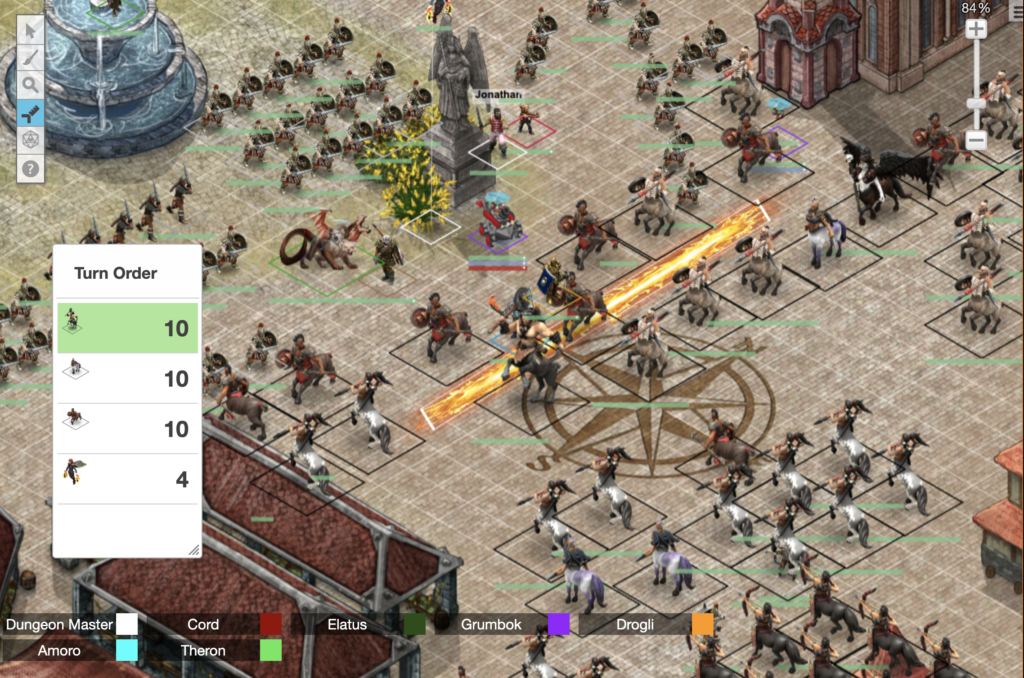
But it was hard for players, too. I had plenty of gaming experience, and even then the learning curve was steep. At one point I realized my class wasn’t supporting the character I had envisioned, but I was already seven levels in. There was no easy fix. So we just kept Grumbok vanilla and he grease-bombed all the way up to level 20.
Very effective spell, that Grease. Never underestimate your 1st-level spells!
When the campaign finally ended and the question came up — “What’s next?” — it really got me thinking.
What was next?
I had rediscovered my love for role-playing games, but I also realized there were things I wanted that I still hadn’t found — even when I swam wholeheartedly through the booming indie RPG scene. What did I want in a role-playing game that wasn’t already out there?
The list started small but it quickly got out of control.
At length, I Grumbokkianly decided: “Barfsnax! I’m not going to kraken sit around and wait for some narkin’ flubnubber to make it, or I’ll be dead before it happens!”
(Goblins live short lives, by the way).
And that’s why Wistblade exists.
Wistblade asks you to jump into the dark abyss of role-playing. You open your mouth to scream at the pit, but then, suddenly, you see sky. You’re flying. Before you can feel betrayed, you’re smiling. Wistblade has given you wings.
All that’s left is to explore the magic.
Wistblade’s foundational principle is simple: just play. Don’t stop to think about backstory. Don’t muddle over a name. Just walk in the bar and wallop someone. Place that first brick of your castle. Draw your father’s sword from the mantel. It’s time to create something of meaning. If the game can manage that, then it will have soul, and will have the power to quickly send anyone out there.
As with so many things in my life, I’ve made this for me, but not only for me. I hope Wistblade brings you and your family together in new ways, around a real table, sharing real smiles (and maybe a few tears once in a while). It’s just cards… but soon you’ll see it’s so much more.